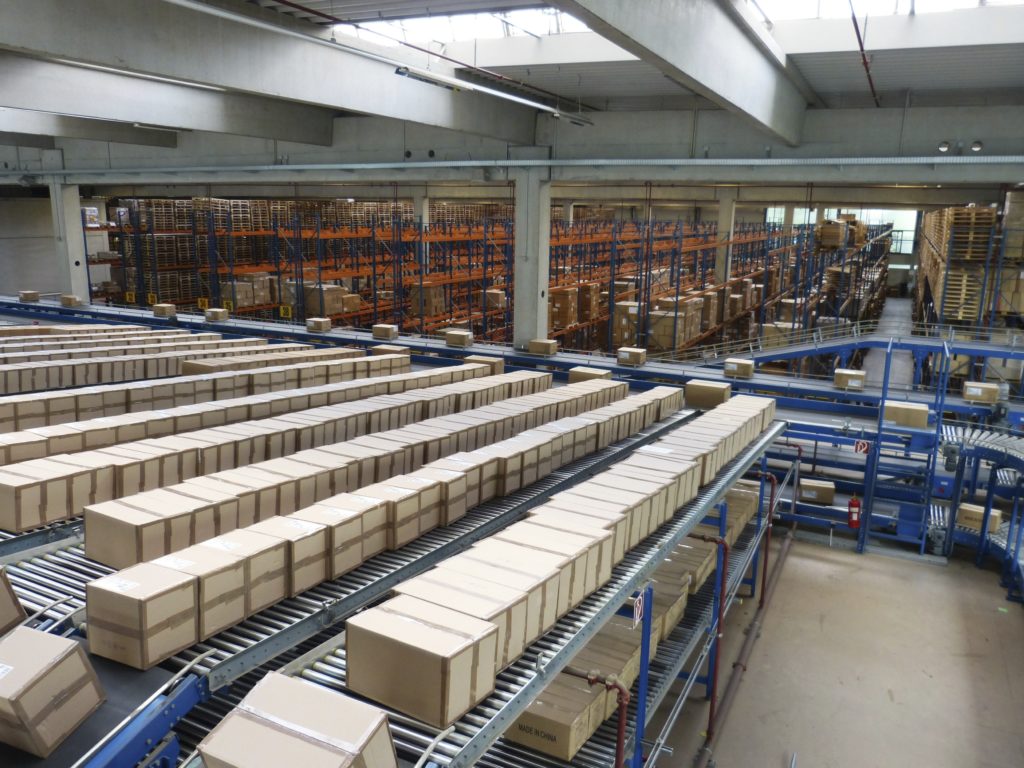
Today, many organisations do not have sufficient resources to ensure the storage and distribution of all their goods. In this situation, a good solution is to outsource the logistics and use a 3PL operator like Ship2eu.
What is 3PL in logistics?
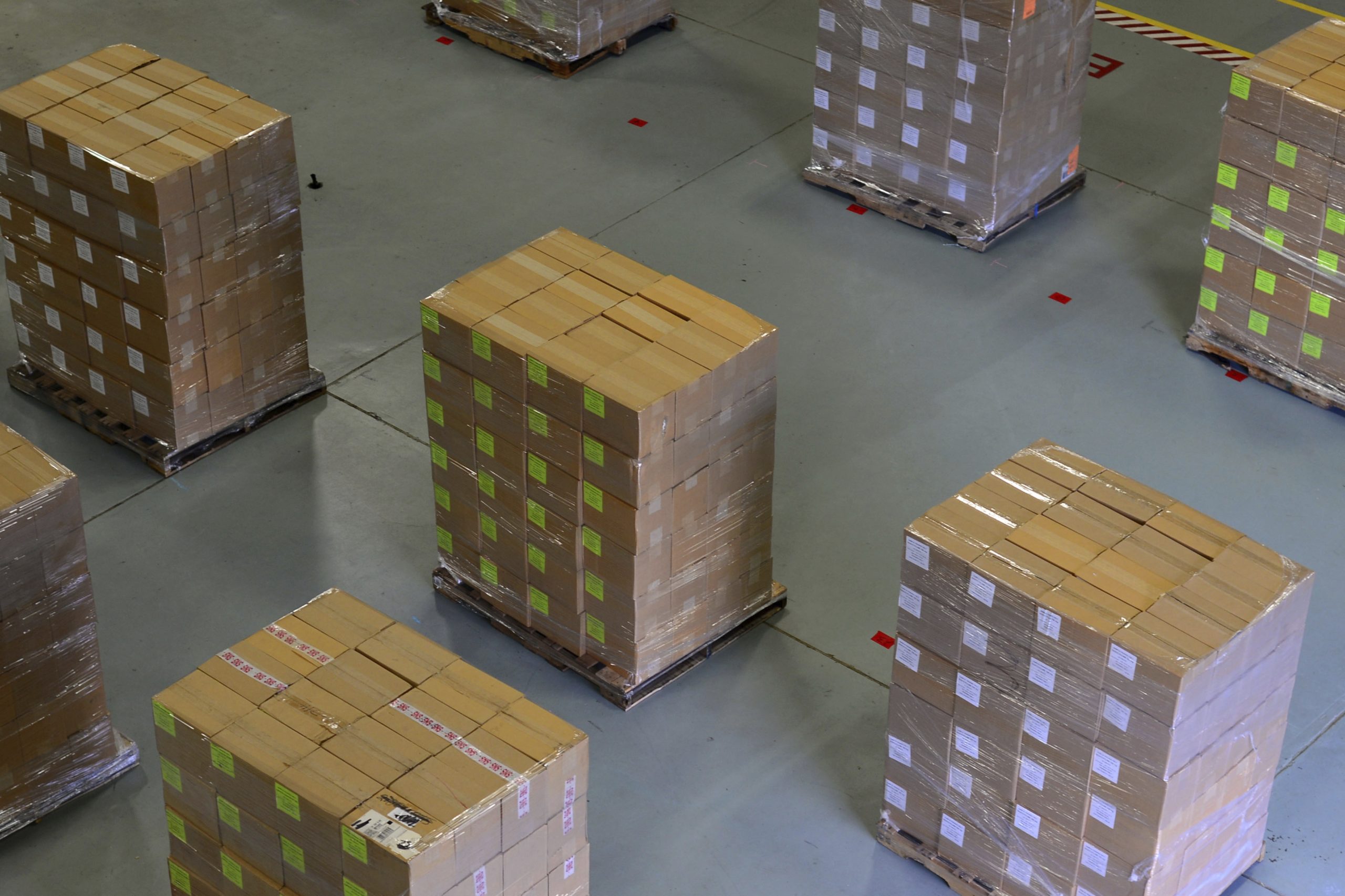
3PL (Third Party Logistics), also known as third party logistics or outsourced logistics, refers to the services that a company entrusts to a service provider for the execution of its logistics, such as warehousing, order picking or the transport of goods.
In this way, the 3PL service provider such as Ship2eu becomes responsible for the management of the company’s products and their delivery to the final recipient, acting as an intermediary between the company and its customers.
The meaning of 1PL, 2PL, 3PL, 4PL, 5PL...
Logistics operators are classified according to the logistics tasks they perform in the company. For their classification, the term Party Logistics or PL (meaning “logistics service providers”) is used and is accompanied by a number that designates the services offered:
– 1PL (First Party Logistics): transport is outsourced through agencies that take care of the fleets and drivers needed to transport the goods. Companies retain control of their own warehouses.
– 2PL (Second Party Logistics): in addition to transport, the logistics operator is also responsible for warehousing. However, the management remains with the contracting company, which organises the fleet and the material flows.
– 3PL (Third Party Logistics): Logistics operators are responsible for transport and warehousing and, in turn, for the management and organisation of both activities.
– 4PL (Fourth Party Logistics): these are logistics operators who act as consultants and auditors for the 3PL, with the aim of validating, optimising and improving the activity. They do not have a logistical infrastructure, they only advise.
– 5PL (Fifth Party Logistics): they achieve a total integration of the services offered by the 3PL and 4PL, thanks to their size and experience.
What type of logistics provider do I need? The answer depends on how much capacity I have to internalise logistics in a sustainable way. In other words, a small company is more likely to need a 5PL provider, while a large company will often opt for a 1PL provider, as they have the resources to run their own warehouses.
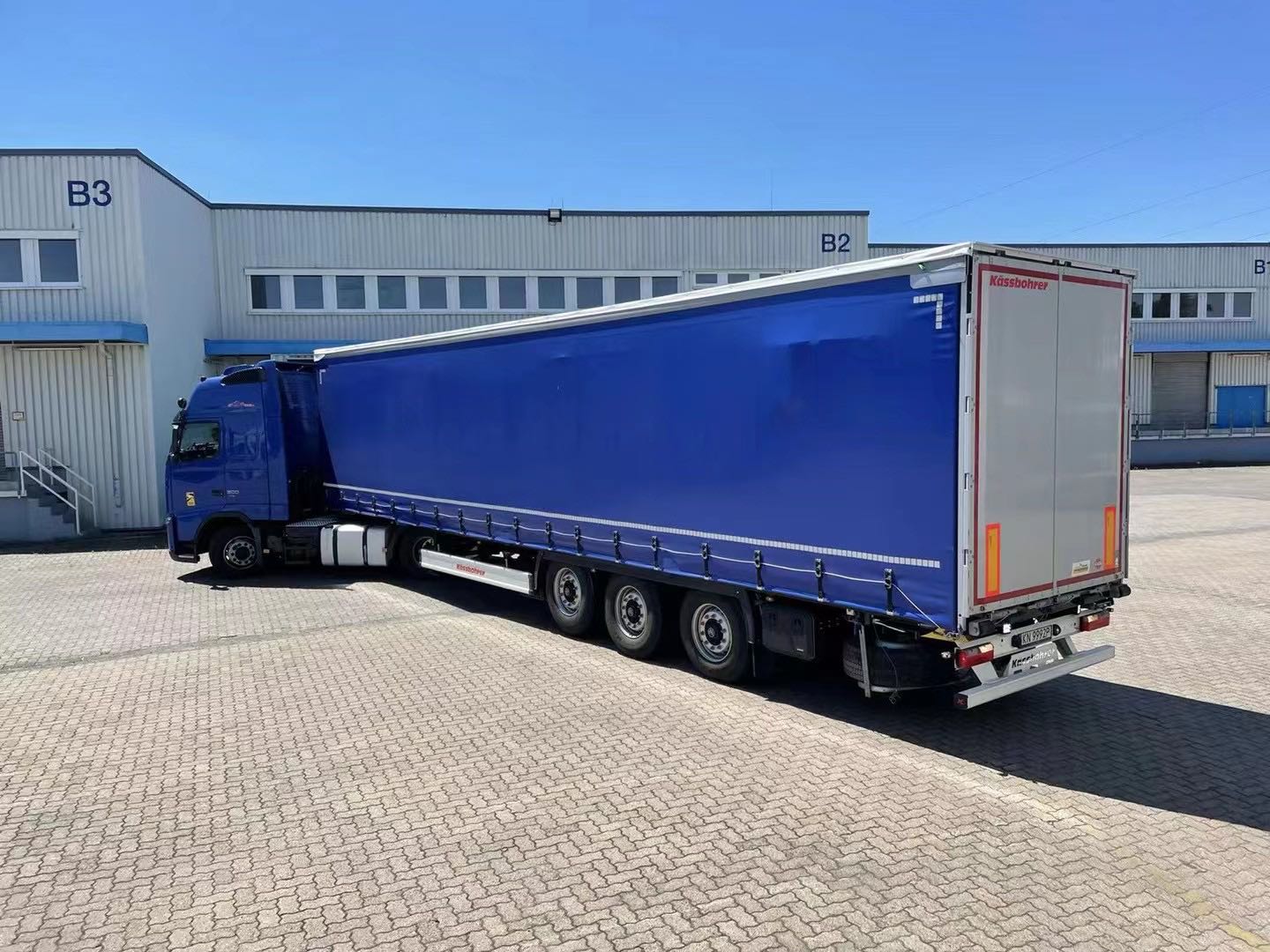
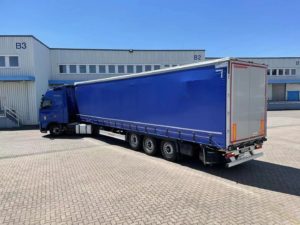
3PL operators have a fleet of vehicles capable of transporting goods.
Differences between 3PL and 4PL
The main difference between a 3PL operator and a 4PL operator is the physical resources available to each. 3PLs have a transport fleet and storage space, while 4PL logistics operators act only as managers and supervisors of logistics activities. In other words, 3PLs provide the physical resources and 4PLs the experience and know-how to optimise the supply chain. To do this, the 4PL operator works with a network of 3PL operators to whom he assigns tasks according to the needs of the customer and the profile of each operator.
How 3PLs facilitate the marketing of your business
On the one hand, it is clear that managing logistics efficiently takes time and effort, which is why some companies prefer to focus their energy on other areas such as marketing. On the other hand, working with a 3PL operator means that you don’t have to bear the cost of land, structure and staff. In the short term, this is financially advantageous.
3PL operators usually have a network of warehousing centres. Third party logistics therefore allows them to bring goods closer to the end customer and therefore deliver orders more quickly and build customer loyalty.
Finally, outsourcing logistics allows you to offer more competitive shipping prices. 3PL companies, by dealing with different customers and handling a high volume of goods, have very competitive shipping rates which is very good marketing.
The 3PL has the ability to react to peaks in activity
In logistics, delivery times are getting shorter and shorter, which makes it necessary to be responsive, not only to peaks in activity, but also to adapt with agility to different types of order picking. In this area, warehouse management systems and transport management systems are essential tools to achieve the level of planning and process automation needed to run operations quickly and efficiently and to build customer loyalty.
What technologies will customers demand from a logistics service provider?
With 3PLs, technology has definitely entered the supply chain and it will become an increasingly high-tech business. Today’s logistics operators are aware of this change and that their current and future economic efforts must move in this direction in order to stay in the market against new competitors who are already using technology as a starting point.
It is a race with no end in sight, but the next steps will undoubtedly involve Big Data, artificial intelligence and machine learning. Technologies that will profoundly transform logistics and, above all, will allow those who adopt them to make a qualitative difference and an unbeatable positioning, providing a plus in customer service that will allow them to avoid strategies based exclusively on price, the great threat to the profitability of the logistics sector.
Tools that can add great value to the supply chain are the implementation of a control tower that will provide visibility over the entire chain, the use of the Blockchain, automated warehouses and the use of automated robots to manage repetitive tasks such as storage, order picking or docking of goods.
Investment in this type of technology allows for:
– Fast responses to the consumer.
– A high level of excellence in customer service.
– Focus on differentiation from competitors, which in a pricing strategy will allow us to offer a service that others do not provide.
– To have an unprecedented amount of data to analyse the supply chain.
– Improve storage density in warehouses.
– Increase the productivity potential in the different operations.