| Another major European port announces strike as ports in many countries choke on congestion |
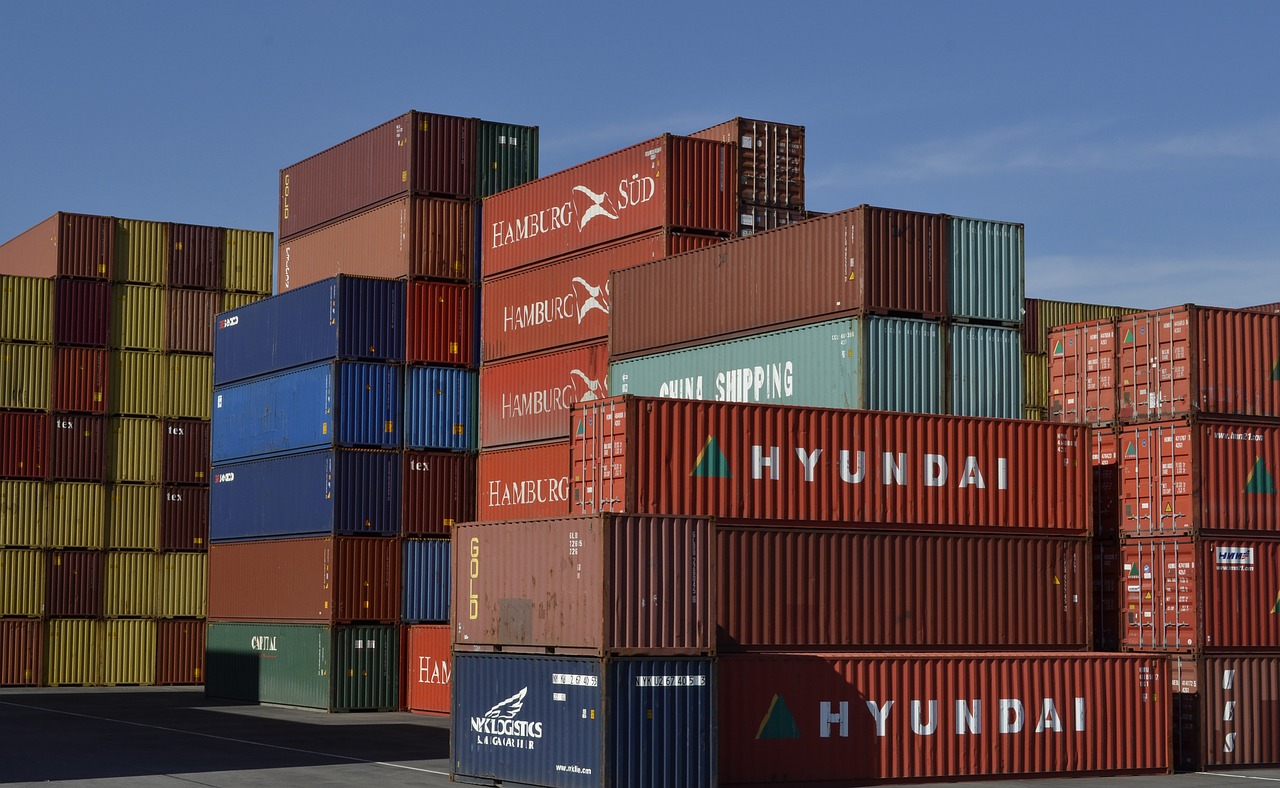
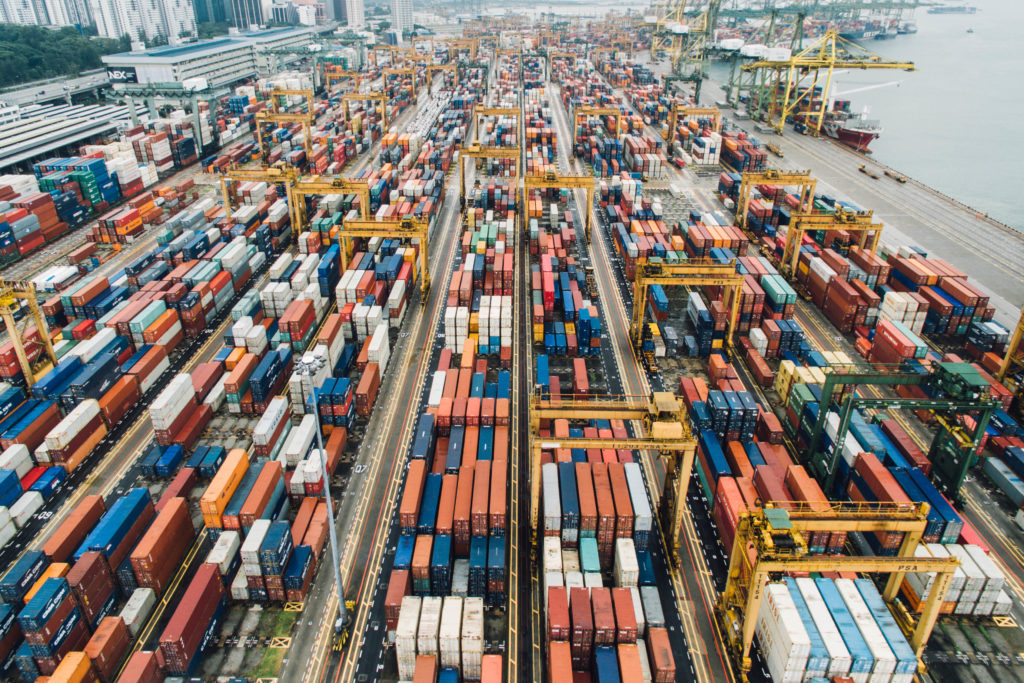
It has been an “eventful” period recently. There has been a spate of strikes and protests across Europe and the US, and ports in many countries have been “choked” with containers filling up the terminals. Waves of protests and strikes around the world have caused serious disruptions to supply chains.
Strikes and protests continue, Sea, land and air transport involved
UK: Container port strikes
In the latest news, staff at Felixstowe, the UK’s largest container port, have voted in favour of strike action to resolve a pay dispute, the United Workers’ Union said, warning of serious disruption across the supply chain.
In a statement, the Unite union said the strike action would bring Felixstowe to a standstill and would cause major logistical problems for sea and road transport into the port.
Miles Hubbard, a regional official for the Unite union, said the strike action would “inevitably cause significant disruption to the UK supply chain”.
It is understood that strike action is due to take place next month and has the support of 92% of workers who voted.
UK: Rail strikes
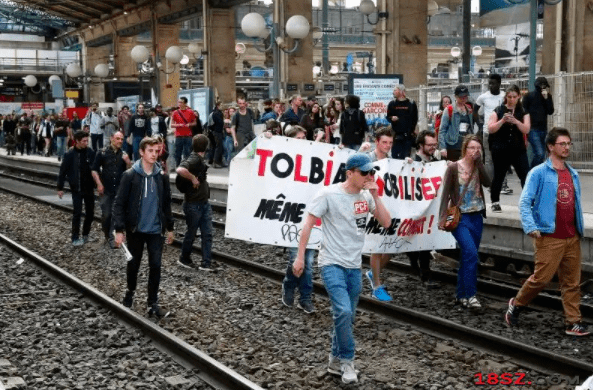
Recently, over 40,000 British rail workers went on strike again over pay and working conditions. This has resulted in only 20% of the country’s trains operating, with some areas even having no trains operating on the day.
Maersk issued an announcement saying this would cause major disruption to the rail network across the UK.
Germany: Airline ground staff on strike
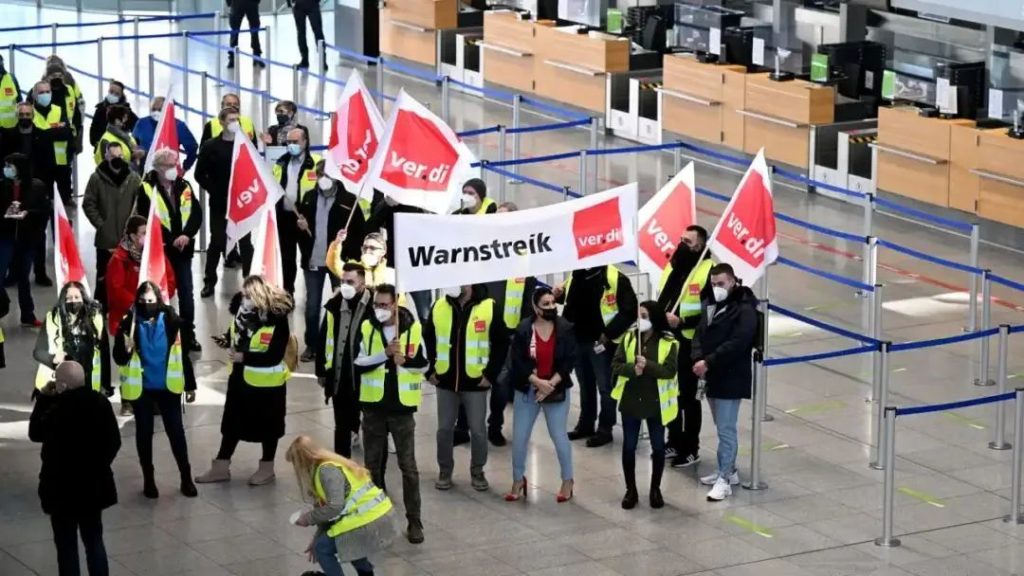
Lufthansa is reported to be cancelling “almost the entire flight schedule” at its Frankfurt and Munich hub airports as ground staff, from check-in staff to engineers, and truck drivers prepare for a one-day “warning strike” in a bid to secure a significant pay rise.
More than 1,000 flights were cancelled on the day and many cargo delays were expected.
The massive cancellations had a knock-on effect on cargo, as too much cargo was backed up in the bellies of passenger aircraft, leading to delays in loading and a drop in cargo volumes.
On one side are dock, rail and airline ground staff striking over pay packages, while on the other side are docks where congestion remains.
Congestion becomes a port "staple" ,Supply chain hit by turns
As early as May and June, congestion at European ports was already present. And congestion in the US West has not been significantly eased, and has even spread to the US East and Gulf Coast.
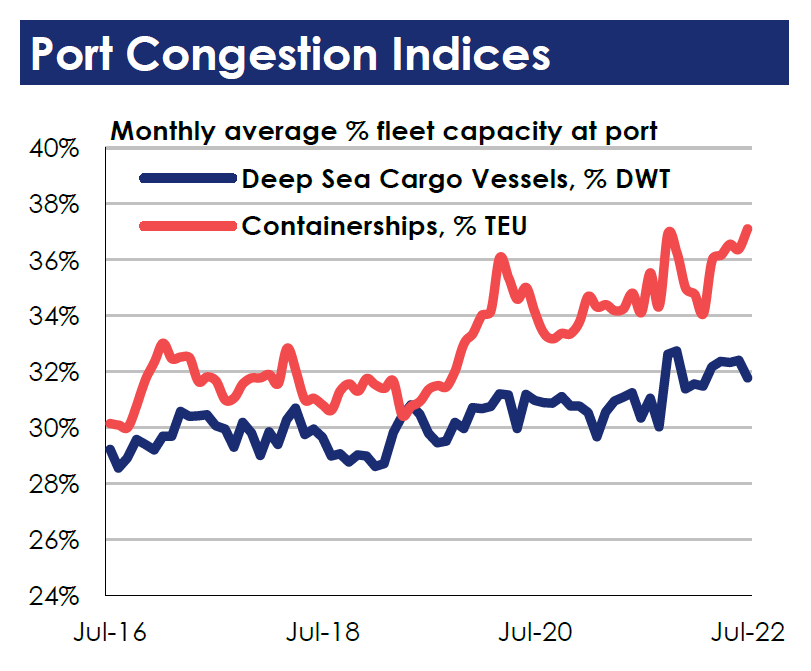
According to the latest data from Clarksons Research, the port congestion index for container ships reached another record high this month. Some 37.9% of the global container fleet is in port.
On the other side of the globe, in the ports of Northern Europe, the level of container ship capacity staying in port also rose to record levels, reaching 1.35 million TEU on 20 July. This is 16 per cent higher than the June average.
According to Clarkson, the congestion at Nordic ports is mainly due to the knock-on effects of disruptions in land-based logistics including transport, rail networks and barge services, as well as feedback from the recent strike at German ports.
According to an analysis report by the China Investment & Futures Research Institute, the worsening congestion in European and American ports will once again form a constraint on current capacity and affect the supply of effective capacity in the market, which, coupled with the upcoming peak shipping season, will form some support for shipping prices in the short term.
Europe: port congestion still not promising
Recently, Maersk published on its official website an update on the situation at major European ports.
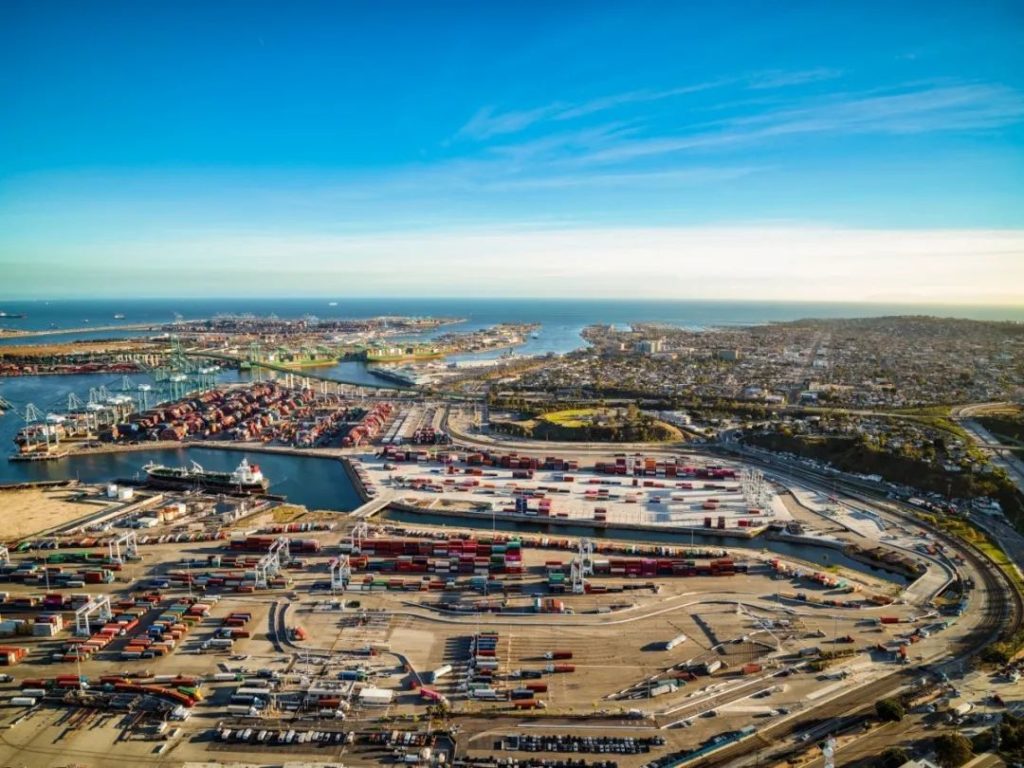
After the strike in mid-July, the ports of Hamburg and Bremen are operating at full capacity, but ships are still waiting longer in port, and railways are also experiencing technical problems causing disruptions to land transport.
Yard densities at the Port of Rotterdam are at critical levels and customers are being advised to move to warehouses in Belgium.
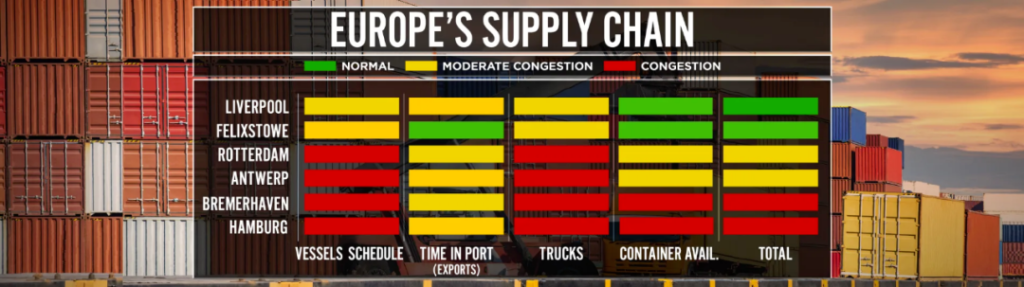
According to CNBC’s supply chain heat map, ports such as Hamburg, Antwerp, Rotterdam and Birmingham are stuck in congestion. The trucking situation in most of these ports is not promising, with container availability in the ports of Hamburg and Birmingham running out of steam.
At present, multiple factors are constraining the normal operation of the supply chain in European and American ports, and congestion is unlikely to be effectively relieved in the short term.
Chinese 3PL supports you to deliver products directly from China with fast shipping
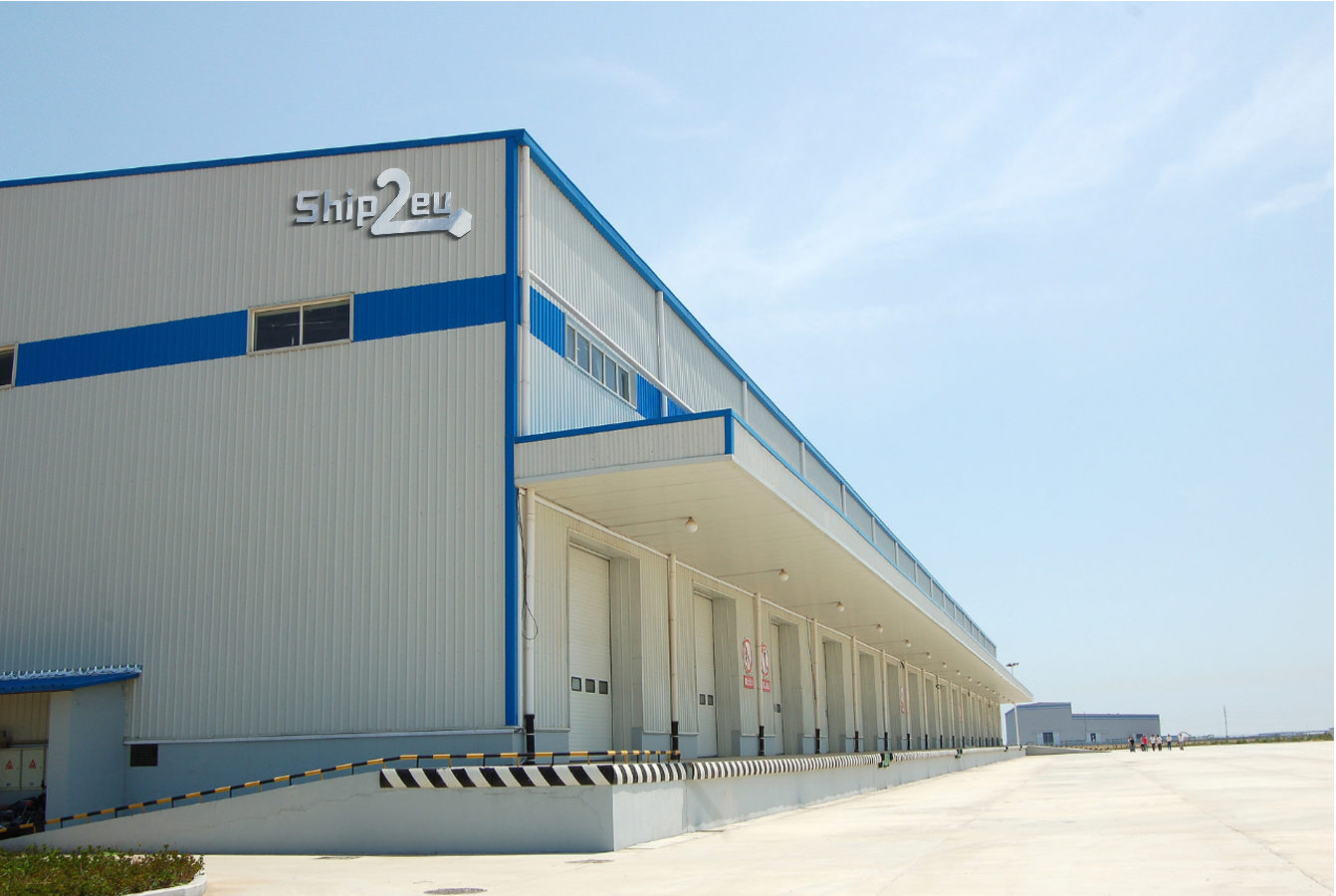
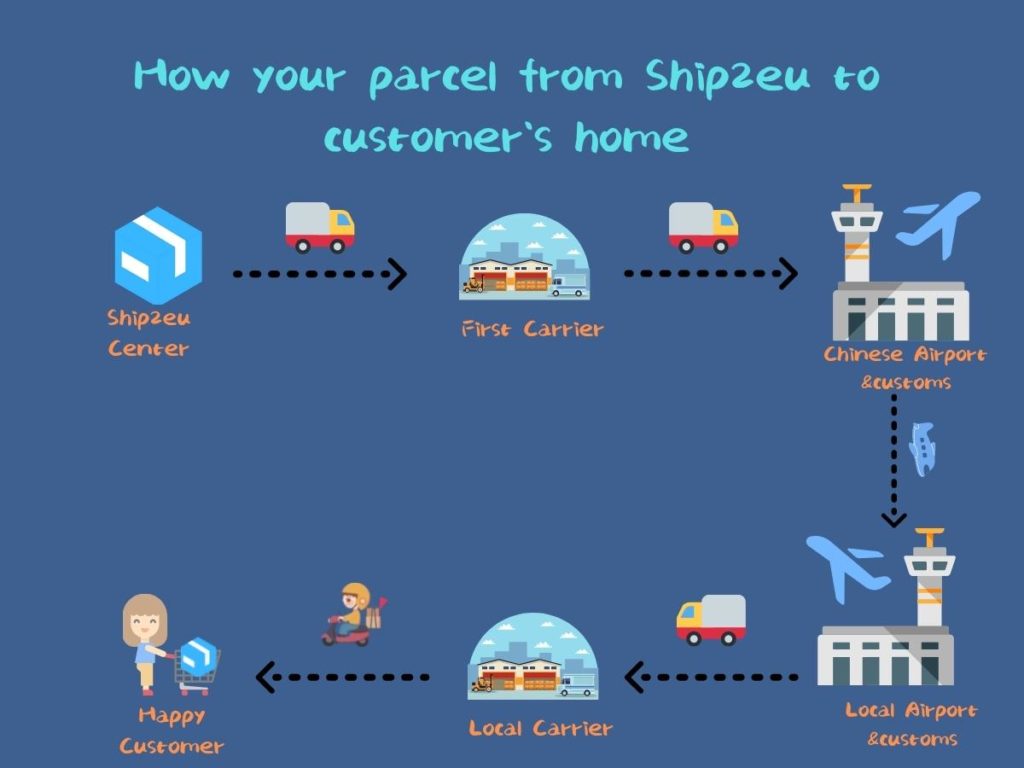
No more waiting and struggling with logistics, A 3PL partner like Ship2eu can ensure that your products are shipped directly from China fast, on time, and accurately.
What is 3PL?
3PL means an order fulfillment method where a ecommerce website relies on a third-party fulfilment company to take care of the warehousing, packaging, and shipping of an order.
3PL fulfillment companies work as an intermediary body between the retailer and an online buyer. A retailer buys products to sell online in bulk and gives them to the 3PL company. Once the retailer receives an order online, since the ecommerce website is connected with fulfilment system of 3PL company. Orders will be pushed into fulfilment system. The 3PL company pick, pack and ship the goods to the buyer. Thus, in most cases, retailers avoid the dropshipping method and prefer to dispatch their inventory to 3PL partner.